
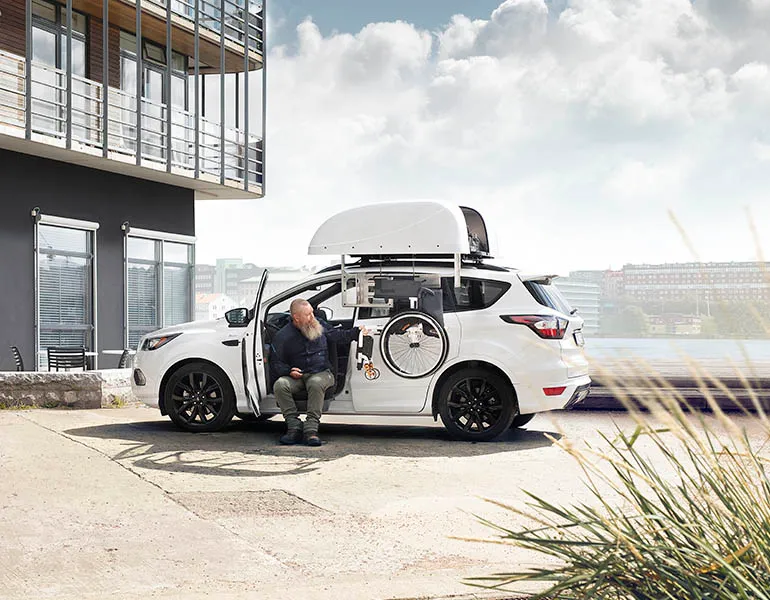
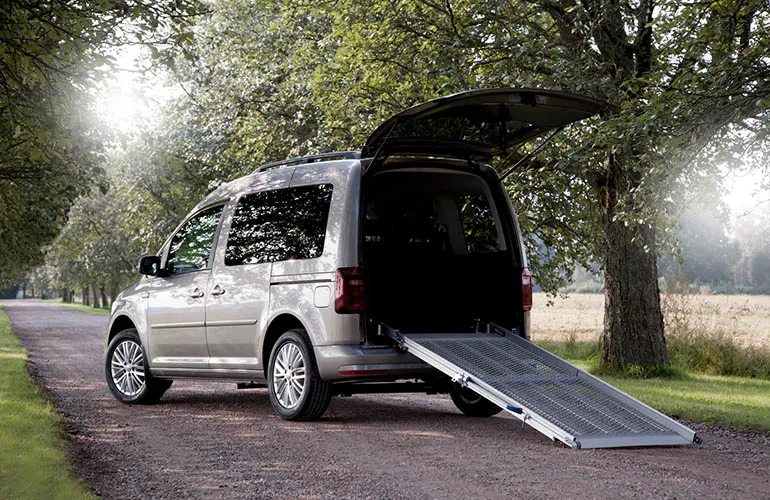
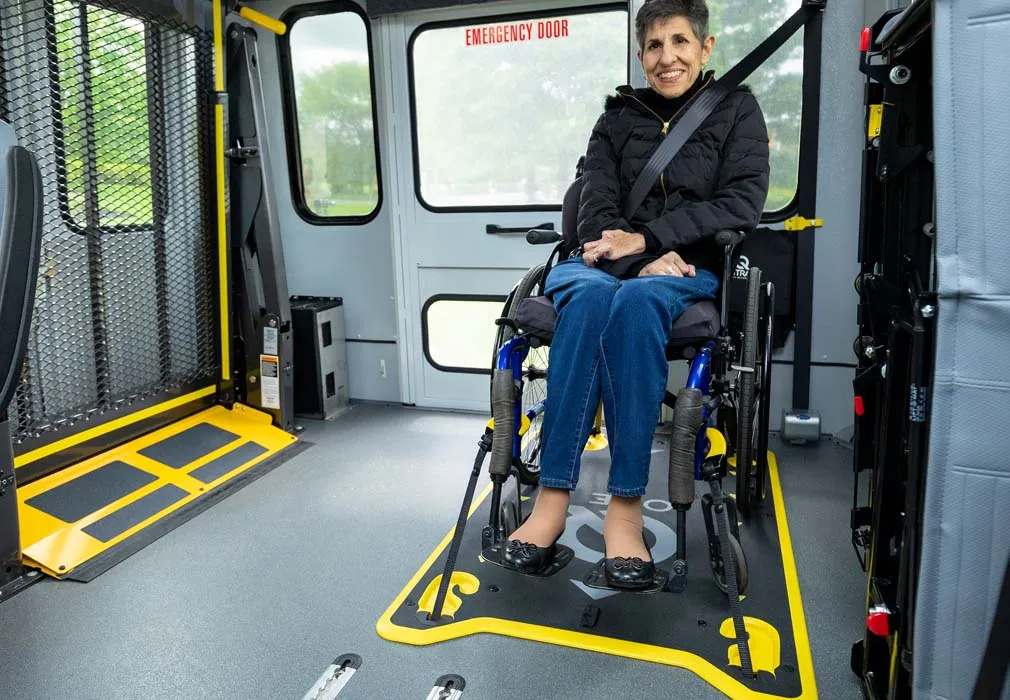
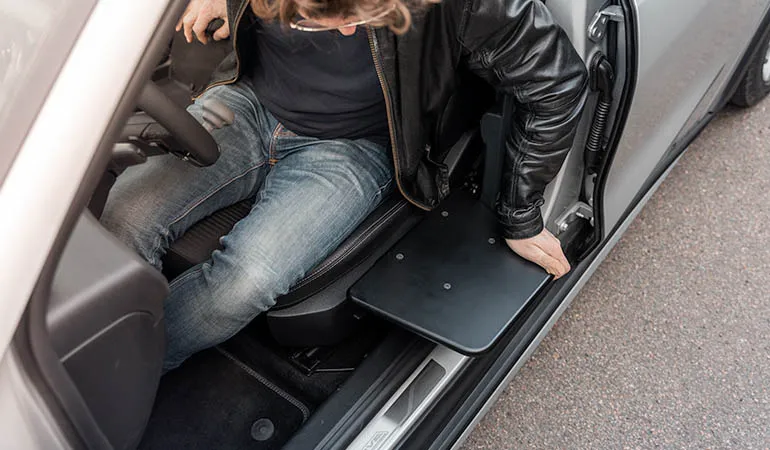
Most families do not start by asking for a “dual-arm platform lift.” They start with a simpler worry: How do we get the chair into the van without fighting the door every day?
The industry answer splits into a few clear families. Understanding them once saves months of wrong quotes.
Dual-arm lifts: stability when the load is heavy
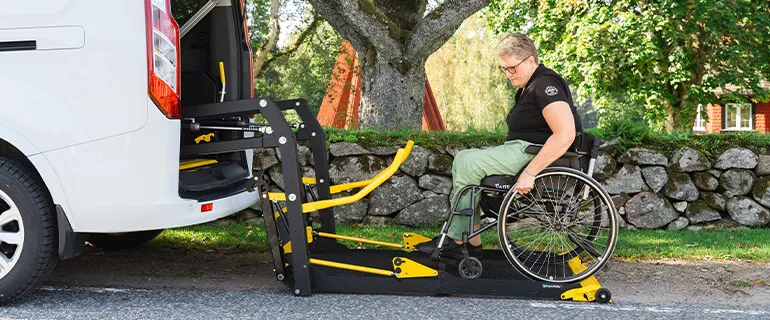
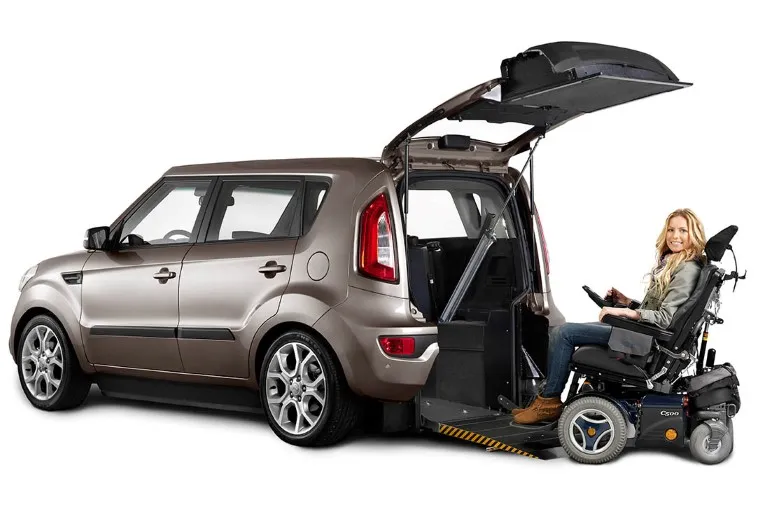
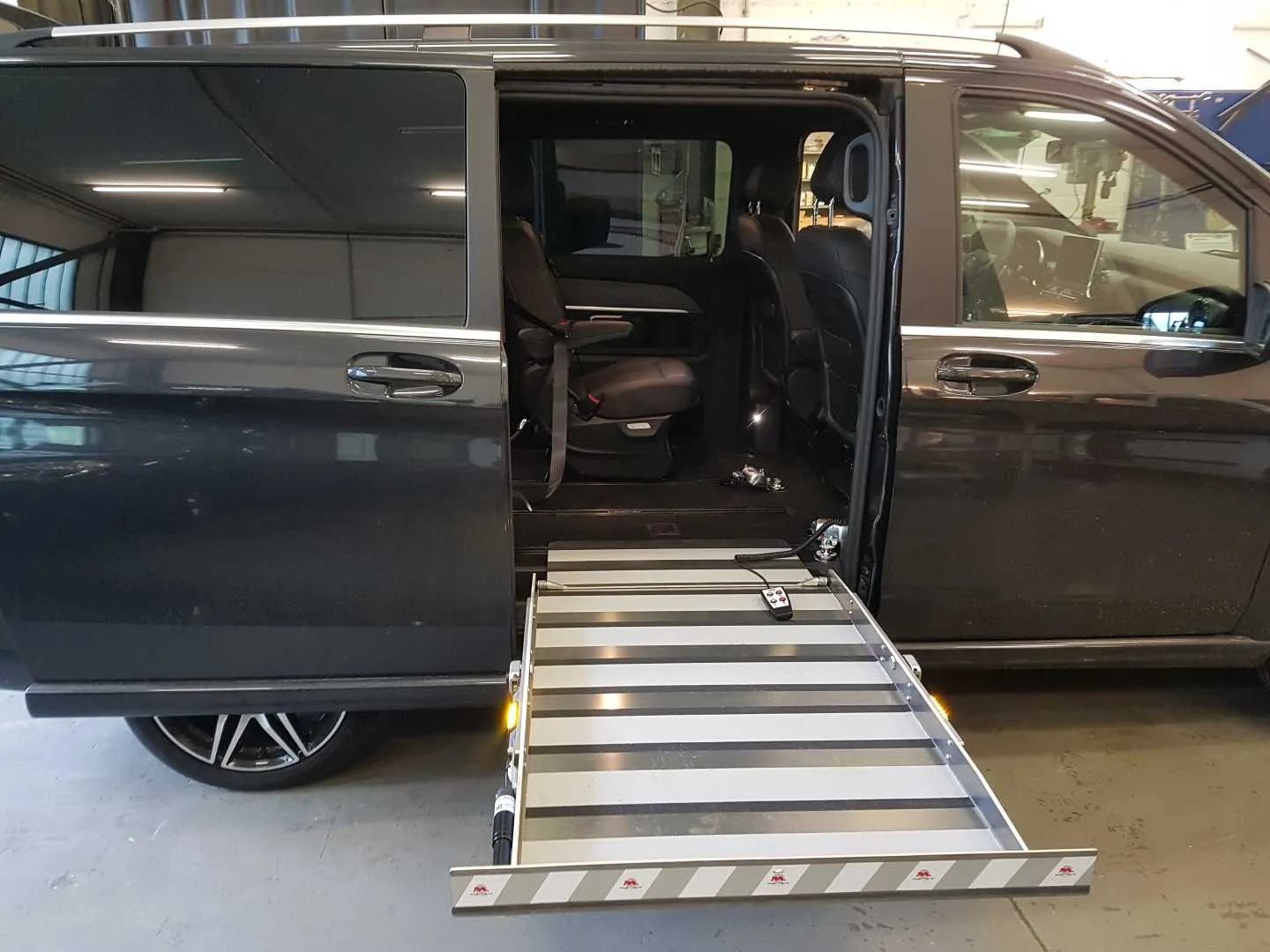
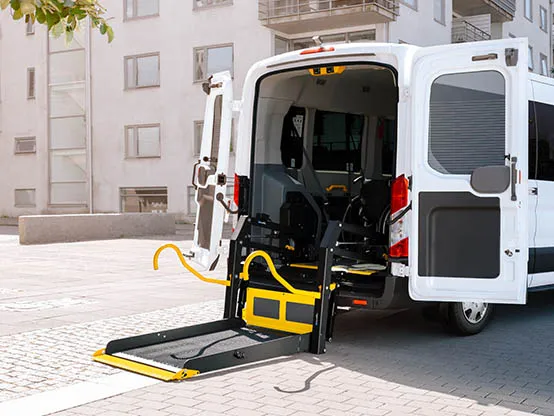
A dual-arm (or dual-parallel) lift supports the platform from two sides. That geometry spreads weight and usually allows higher capacities — dealer guides commonly cite around 800 lb (≈ 360 kg) class for dual-arm units, versus lower typical ratings for many single-arm designs.
The trade-off is space. Dual-arm hardware takes more room in the doorway zone. On a side door, that can limit how the front passenger seat moves. Many heavier users therefore prefer a rear dual-arm install, so the side door stays free for walking passengers.
Dual-arm / inboard
Stronger for heavy chairs. Easier to service. Uses interior/doorway volume. Often best at the rear of a private van.
Under-vehicle (UVL)
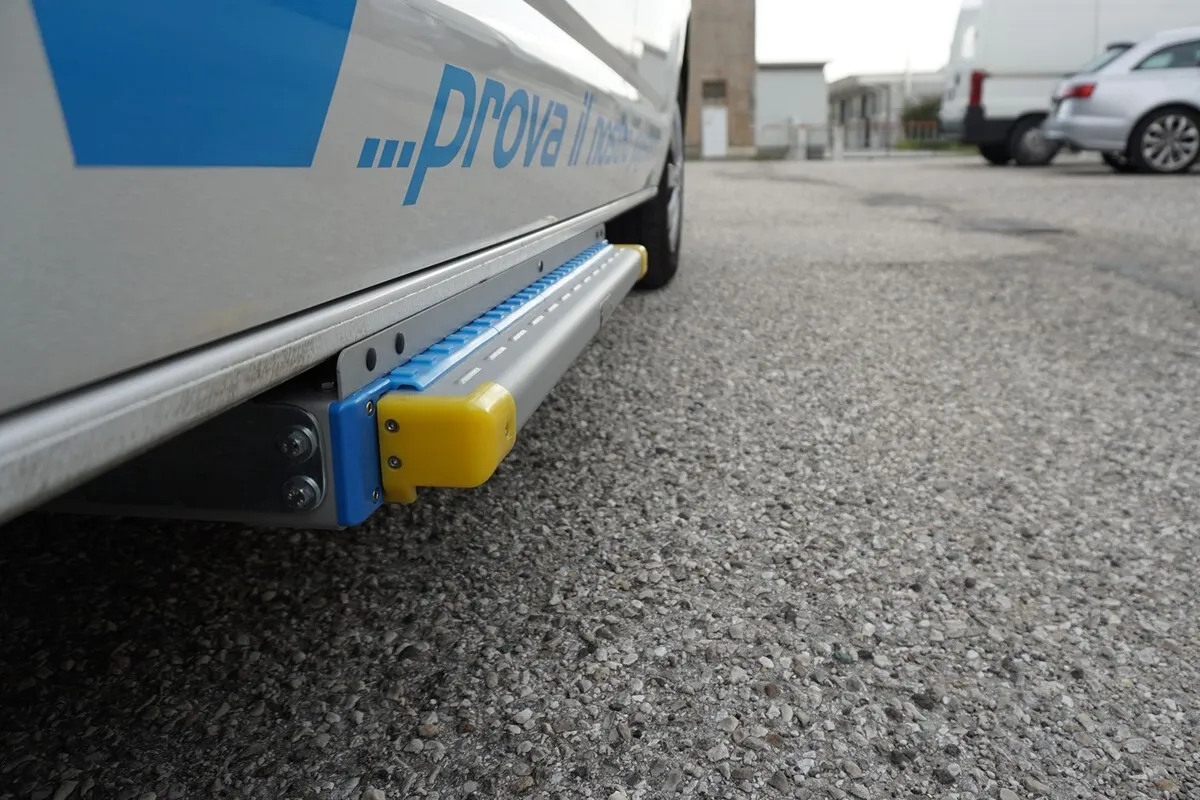
Stores in a weatherproof cassette under the van. Keeps the doorway clear and cabin free — at the cost of ground clearance and harder maintenance access.
Under-vehicle lifts: when the cabin must stay empty
Under-vehicle lifts (UVL-style) slide out from a cassette beneath the floor. BraunAbility’s UVL line, for example, is built for side-door full-size vans and advertises capacities around 750 lb, with long platforms that still work with the original door height — while leaving windows and walk-in access unobstructed.
That is why operators and families choose UVL logic when cargo space and passenger flow matter as much as boarding. It is also why installers check ground clearance carefully: the cassette lives under the vehicle.
Three measurements that decide the quote
- Chair weight (and passenger). Capacity is a safety limit, not a marketing number. Power chairs and bariatric configurations push you toward dual-arm or high-capacity UVL classes.
- Door clearance. Side boarding needs parking width and sliding-door geometry. Rear boarding needs garage depth and how far the lift overhangs when folded.
- Platform size. Width and length must clear footrests, camber, and any recline. A “long” platform is useless if the door aperture is the real bottleneck.
Maya Mobility tip Bring chair specs and two photos of the van (rear open, side open). We map you to a path on our Lift Systems guide before anyone talks SKUs.
How this maps to Maya Mobility’s range
In the UK and across Europe, many private vans use dual-arm rear platforms (BraunAbility E-Series families, Fadiel compact lifts for low roofs). Side cassette / underbody solutions appear when cabin volume cannot be sacrificed. Fleet vans lean toward commercial-rated platforms with serviceable geometry — different leaf, same tree.
Start with the boarding story. The model number comes second.
Not sure which lift family fits?
Open the need-based Lift Systems guide — or send vehicle and chair details to Maya Mobility for a short feasibility check.
Sources
- MobilityWorks — How to Choose a Wheelchair Lift (dual-arm vs single-arm capacity, interior trade-offs, UVL pros/cons)
- BraunAbility — What are Commercial Wheelchair Lifts (arm geometry, capacity bands, under-vehicle vs inboard)
- BraunAbility — Under Vehicle Lift (UVL) (cassette storage, doorway clearance, example specs)
- BraunAbility Europe — Wheelchair lifts (European platform lift context used by Maya Mobility)